The Role of Sustainability in the Future of Architecture
If we take a close look at the direction architecture has been moving in recent years, one concept stands out more clearly than ever: sustainability. What was once considered an added value or a forward-thinking choice has now become a fundamental requirement. Architecture is no longer judged solely by its aesthetics or innovation in form.
Today, buildings are evaluated by a deeper and more pressing question: How do they impact the environment and future generations?
Sustainable architecture is not just a trend. It reflects a shift in mindset—one that redefines how we design, build, and inhabit spaces.
Understanding Sustainability in Architecture
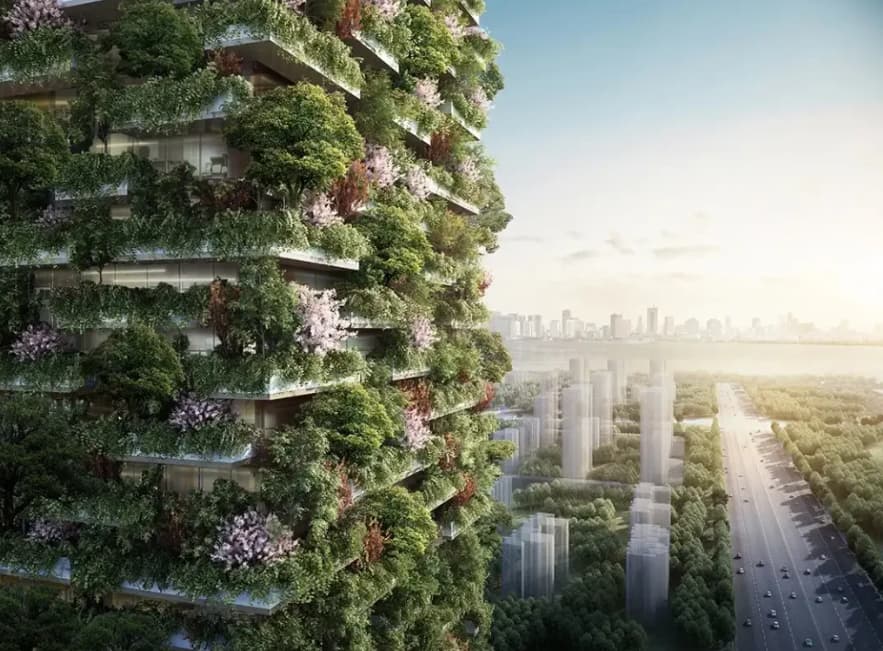
Sustainability in architecture refers to designing buildings that minimize environmental impact while maximizing efficiency and long-term usability. It is about creating spaces that work in harmony with nature rather than against it.
A sustainable building considers energy consumption, material selection, water usage, and even the well-being of its occupants. The goal is to reduce waste, lower emissions, and ensure that the structure remains functional and relevant for decades.
For example, imagine an office building designed to fully utilize natural daylight.
Large, strategically placed windows reduce the need for artificial lighting throughout the day. Combined with high-performance insulation and energy-efficient systems, the building significantly lowers its energy demand while creating a more pleasant environment for its users.
Why Sustainability Has Become Essential
The growing importance of sustainability in architecture is closely tied to global challenges that can no longer be ignored. Climate change, rising energy costs, and resource depletion have all contributed to this shift.
Buildings are among the largest consumers of energy worldwide. Traditional construction methods often result in high levels of energy waste, especially in poorly insulated structures. In contrast, sustainable buildings are designed to retain heat in colder climates and stay cool in warmer regions, dramatically reducing energy consumption.
Consider the difference between an older residential building and a modern sustainable home. In older structures, heat loss through walls and windows is common, leading to increased reliance on heating systems. A sustainable home, however, uses advanced insulation, airtight construction, and efficient glazing systems to maintain indoor comfort with minimal energy use.
Another critical factor is the environmental impact of construction materials. Conventional materials like standard concrete are known to produce significant carbon emissions during manufacturing. Sustainable alternatives, such as recycled materials or low-carbon concrete, offer a way to reduce this footprint.
Core Principles of Sustainable Architecture
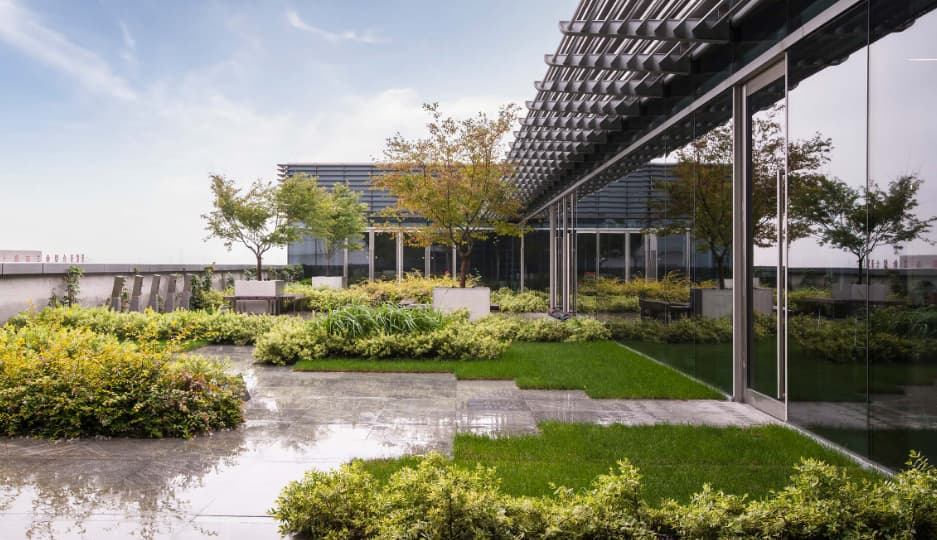
Sustainable architecture is built on a set of guiding principles that shape every stage of design and construction. These principles are not isolated ideas but interconnected strategies that work together to create efficient and responsible buildings.
Energy efficiency plays a central role. Architects carefully consider building orientation, window placement, and shading systems to optimize natural light and reduce reliance on artificial energy sources. In colder climates, south-facing windows can capture sunlight and provide passive heating, while in warmer regions, shading devices prevent overheating.
Material selection is equally important. Sustainable materials are often renewable, recycled, or locally sourced. Using locally available materials not only reduces transportation emissions but also helps the building blend with its environment. For instance, reclaimed wood can add both character and sustainability to a project, while recycled brick can reduce construction waste.
Water management is another key aspect. Modern sustainable buildings often include systems for collecting and reusing rainwater. Low-flow fixtures and smart irrigation systems further reduce water consumption. In some cases, greywater recycling systems allow water from sinks and showers to be reused for landscaping.
Designing in response to climate is perhaps one of the most intelligent aspects of sustainable architecture. Instead of forcing a building to adapt through mechanical systems, the design itself responds to environmental conditions. In hot climates, natural ventilation and shaded courtyards can significantly improve comfort. In colder regions, compact forms and thermal mass help retain heat.
The Role of Technology in Sustainable Design
Technology has accelerated the adoption of sustainable architecture by providing tools that make buildings smarter and more efficient. Today’s buildings are not static structures; they are dynamic systems that respond to their environment and user behavior.
Smart home technologies allow occupants to monitor and control energy usage in real time. Lighting systems can automatically adjust based on occupancy, while heating and cooling systems optimize performance according to external conditions.
Renewable energy sources are also becoming more accessible. Solar panels, for example, can be integrated into rooftops or even building facades. In many cases, they generate enough electricity to significantly reduce dependence on external energy grids.
Advanced ventilation systems further enhance sustainability by improving indoor air quality while minimizing energy consumption. Heat recovery systems, for instance, capture energy from outgoing air and use it to condition incoming fresh air.
How Sustainability Is Shaping the Future of Architecture
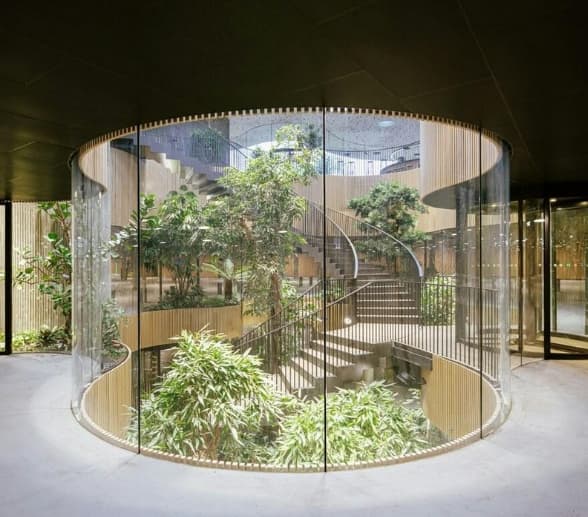
Sustainability is no longer a separate consideration in design; it is becoming the foundation upon which future architecture is built. This shift is influencing not only how buildings perform but also how they look and function.
Architectural forms are evolving to become more responsive and efficient. Double-skin facades, for example, create a buffer zone that improves insulation and regulates temperature. These systems reduce energy demands while adding a distinctive visual identity to the building.
There is also a growing trend toward energy-independent buildings. These structures are designed to generate as much energy as they consume, often through a combination of solar power, efficient systems, and smart design strategies. Such buildings are not only environmentally responsible but also economically beneficial in the long term.
Green spaces are increasingly integrated into architectural design. Rooftop gardens, vertical greenery, and interior planting systems bring nature into urban environments. These elements improve air quality, reduce heat, and enhance the overall user experience.
Challenges of Sustainable Architecture
Despite its many advantages, sustainable architecture is not without challenges. One of the most common concerns is the higher initial cost associated with certain technologies and materials. For example, installing solar panels or advanced insulation systems can require a significant upfront investment.
However, these costs are often offset over time through reduced energy bills and lower maintenance expenses. In many cases, sustainable buildings prove to be more economical in the long run.
Another challenge is the lack of awareness among clients and developers. Not everyone fully understands the long-term benefits of sustainable design, which can make it difficult to justify initial investments.
Additionally, sustainable architecture requires specialized knowledge. Architects and designers must stay informed about new technologies, materials, and environmental strategies to create truly effective solutions.
Looking Ahead: The Future of Sustainable Architecture
The future of architecture is undeniably sustainable. As technology advances and environmental concerns become more urgent, buildings will continue to evolve.
We can expect to see more intelligent systems that adapt in real time, materials that are both innovative and eco-friendly, and designs that prioritize both human comfort and environmental responsibility.
Imagine homes that generate their own energy, manage their own water systems, and maintain optimal indoor conditions without excessive resource consumption. These are not distant ideas—they are already becoming a reality.
Final Thoughts Sustainability
Sustainability is no longer an optional feature in architecture. It is a necessity that shapes how we design and experience spaces.
By embracing sustainable principles, architects can create buildings that are not only beautiful but also responsible, efficient, and future-ready. These spaces do more than serve their users—they contribute to a healthier planet.
What Do You Think?
How important is sustainability to you when choosing or designing a space?
Would you be willing to invest more in a building that reduces long-term costs and environmental impact?
Share your thoughts in the comments below. Your perspective matters.
In order to read our updated blogs, click here
Architect Land website-To read more, click the link below
Color 2025 Benjamin moore-To read more, click the link below
Ideas for Christmas Decorations: Classic and Contemporary -To read more, click the link below
Leading Architectural Trends in Dubai-To read more, click the link below
The 2025 Kitchen Design Trend-To read more, click the link below
⸻